Common Misconceptions About Work Visas: Debunking Myths with Facts


Understanding Work Visas: Unraveling the Myths
Work visas are essential for international professionals looking to work in a different country. However, many misconceptions can cloud the understanding of these visas. Let's debunk some common myths with facts to provide a clearer picture.

Myth 1: Work Visas Are Difficult to Obtain
Many people believe that securing a work visa is nearly impossible. While the process can be complex, it is not insurmountable. The key is to understand the specific requirements and gather the necessary documentation. Most countries have structured processes that, when followed correctly, facilitate obtaining a visa.
Tip: Research the specific visa category that suits your qualifications and job offer. Each category has distinct criteria, and meeting these can simplify the application process.
Myth 2: Work Visas Are Permanent
Another common misconception is that work visas grant permanent residency. In reality, most work visas are temporary and tied to employment with a specific employer. They often have expiration dates and may require renewal.
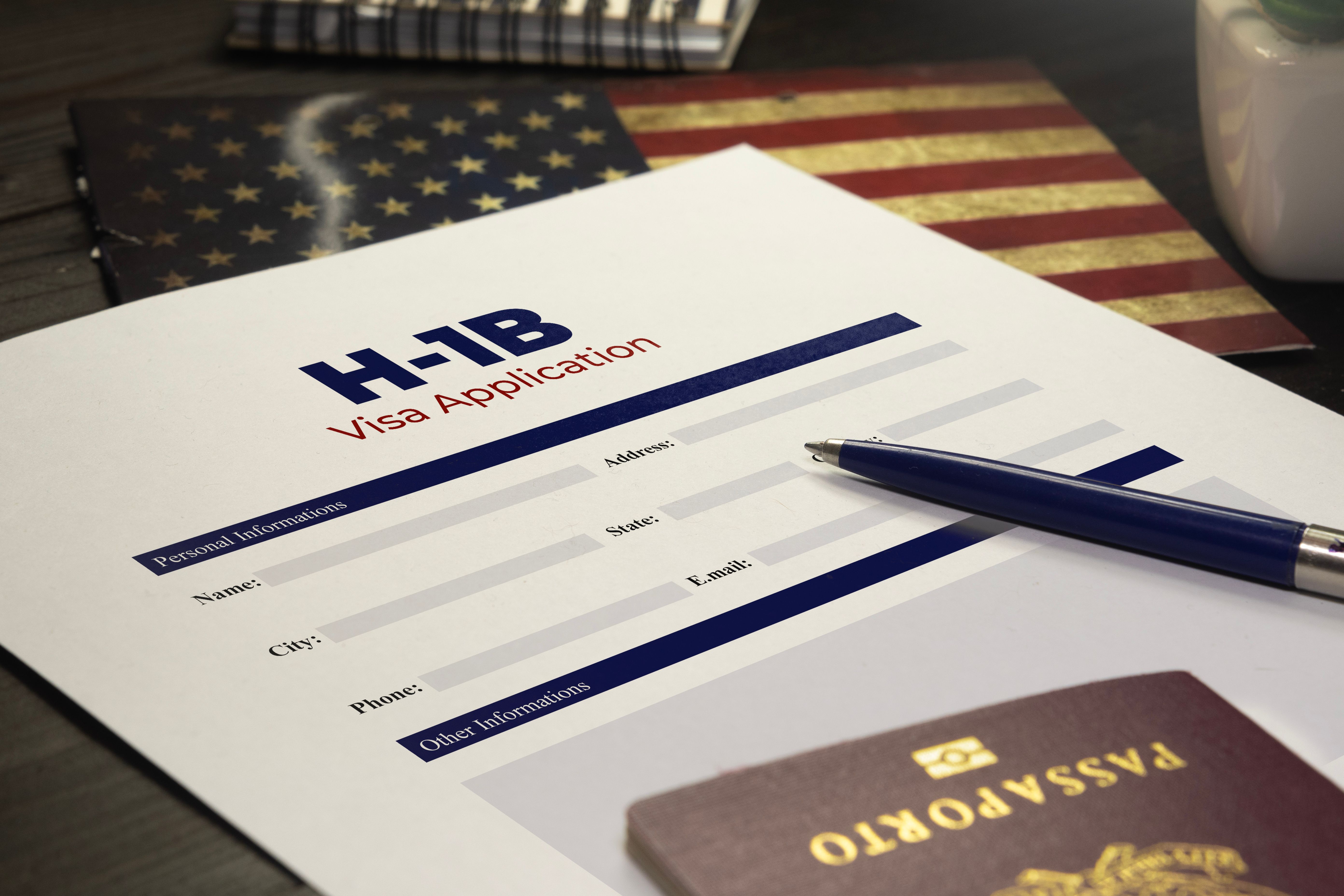
Some visas may lead to permanent residency, but this typically involves a separate application process and additional criteria. Understanding the limitations of your visa is crucial to planning your career and residency path.
Myth 3: One Work Visa Fits All
There is a belief that a single work visa type applies to all professionals. In fact, different industries and job roles may require different types of visas. For instance, a tech professional might need a different visa than a healthcare worker.
- H-1B Visa: For specialty occupations requiring specialized knowledge.
- L-1 Visa: For intra-company transferees in managerial positions.
- O-1 Visa: For individuals with extraordinary ability or achievement.
It's essential to identify the visa that best aligns with your profession to streamline the application process.

Myth 4: Work Visas Allow Unlimited Job Changes
Many assume that once a work visa is granted, they can switch jobs freely. However, most work visas are employer-specific, meaning the visa holder must work for the sponsoring employer. Changing jobs often requires a new visa application.
Understanding the restrictions and obligations tied to your specific visa can help avoid legal issues and ensure compliance with immigration laws.
Myth 5: Work Visas Are Only for High-Skilled Workers
While many work visas cater to high-skilled jobs, there are also visas for other types of employment. Seasonal workers, agricultural laborers, and other non-specialty roles have visa categories tailored to their needs.
The diversity in visa types reflects the varied needs of global economies and labor markets. It's important to explore all options available for your specific job role and skills.

In conclusion, understanding the realities of work visas can help dispel myths and better prepare applicants for the process. By focusing on accurate information and diligent preparation, the path to working abroad can be a rewarding and achievable goal.