How to Sponsor a Loved One for a U.S. Visa: Key Steps and Legal Advice


Sponsoring a loved one for a U.S. visa can be a rewarding yet complex journey. Understanding the key steps and legal advice is crucial to navigate this process smoothly. This guide provides detailed insights into how you can successfully sponsor a family member.

Understanding the Types of Family Visas
Before you start the sponsorship process, it's important to know which visa category your loved one falls into. The U.S. government offers several types of family visas, including:
- Immediate Relative Visas: For close family members like spouses, parents, and unmarried children under 21.
- Family Preference Visas: For more distant relatives, such as siblings and married children.
Each category has different requirements and processing times, so ensuring you select the correct one is vital.
Immediate Relative Visas
Immediate relative visas are not subject to annual caps, making them a quicker option. If your loved one qualifies under this category, the process can be more straightforward and faster.
The Sponsorship Process
The sponsorship process involves several key steps. It's important to follow each step carefully to avoid delays or issues.
- File Form I-130: This is the Petition for Alien Relative. It's the first formal step in the sponsorship process.
- Receive Approval: After filing, you'll wait for the U.S. Citizenship and Immigration Services (USCIS) to approve the petition.
- Apply for Visa: Once approved, your loved one can apply for a visa through the National Visa Center (NVC).
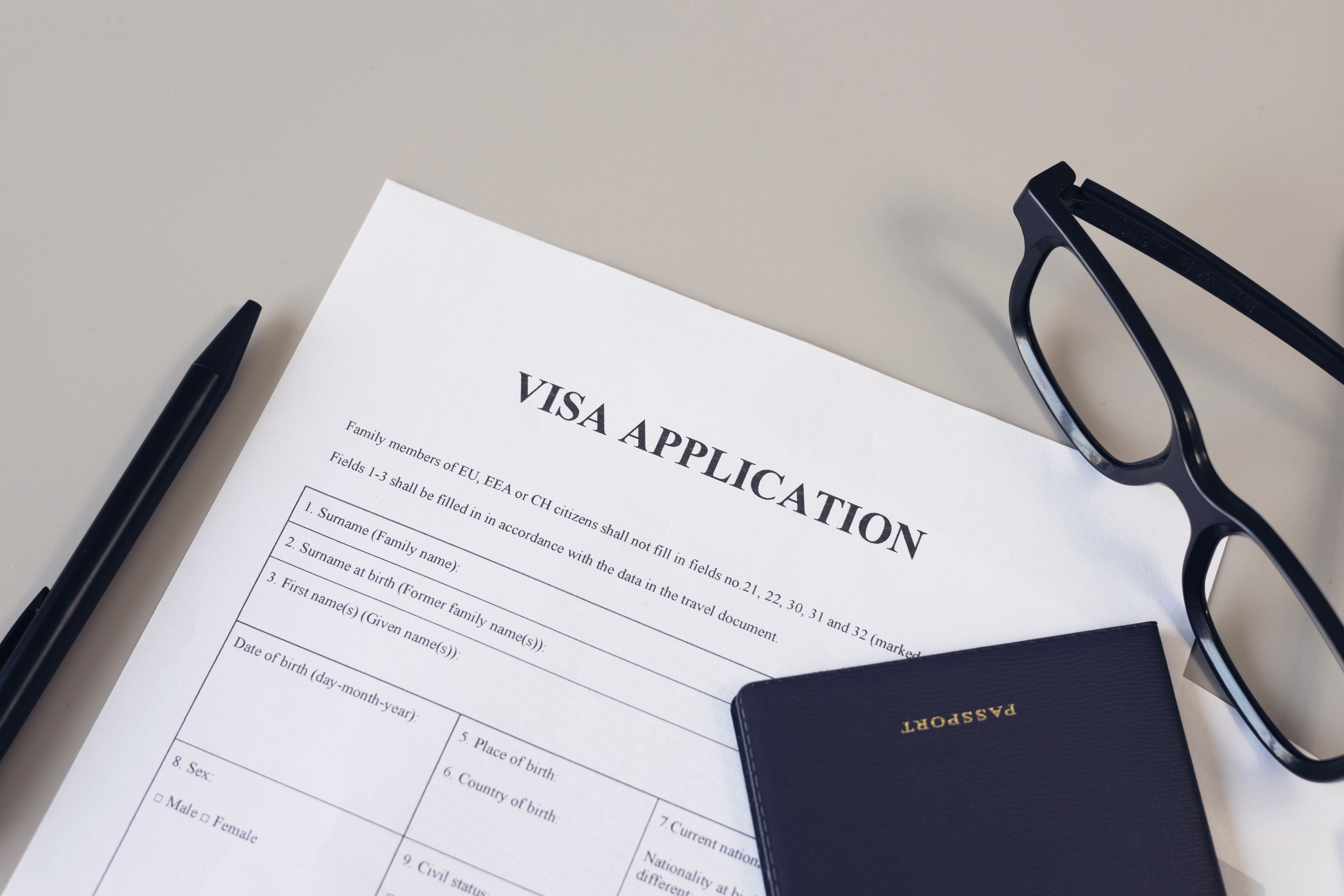
Preparing Documents
Document preparation is a crucial part of the sponsorship process. You'll need to provide evidence of your relationship, financial capability, and other supporting documents. Commonly required documents include:
- Proof of citizenship or permanent residency
- Birth or marriage certificates
- Financial statements
Legal Advice and Assistance
Given the complexity of immigration laws, seeking legal advice can be beneficial. An immigration attorney can help ensure that all forms are correctly filled and submitted on time, and provide guidance on any legal concerns.
Attorneys can also help if any issues arise, such as missing documents or unexpected delays. Their expertise can be invaluable in navigating the legal intricacies of the visa sponsorship process.

Common Challenges and Solutions
During the sponsorship process, you might encounter challenges such as lengthy processing times or requests for additional information. Staying informed and patient is key. Regularly checking the status of your application and promptly responding to any inquiries can help keep the process on track.
Understanding these key steps and seeking professional advice when necessary can make sponsoring a loved one for a U.S. visa a smoother and more manageable process. By being prepared and informed, you can help your family reunite and start a new chapter in the United States.